


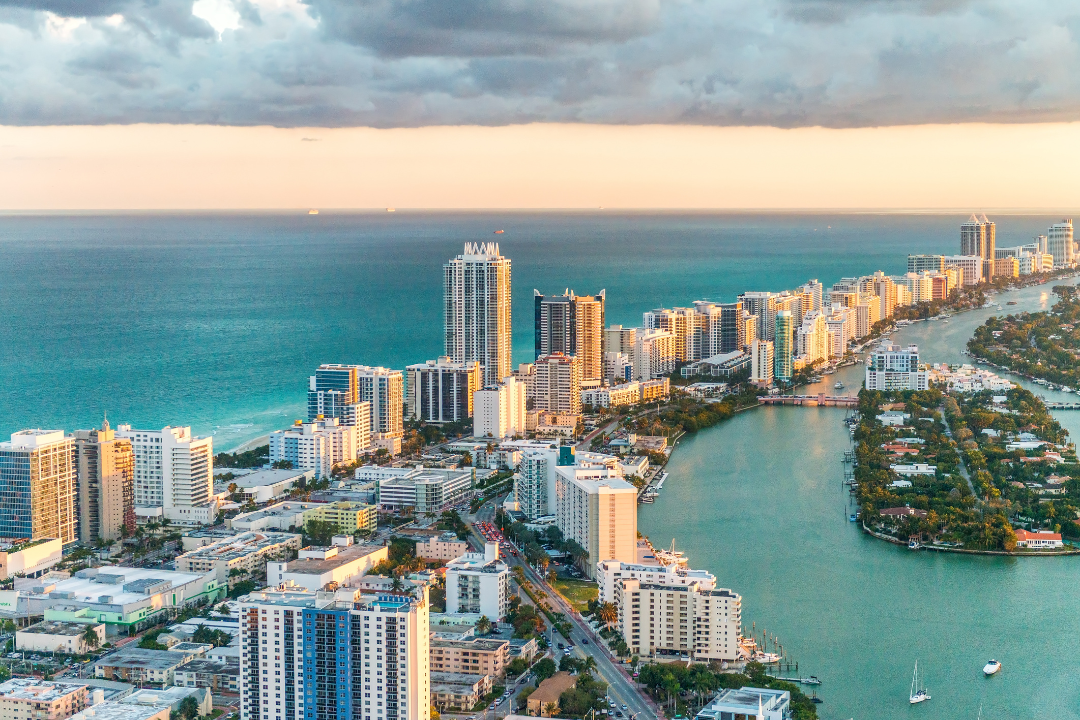
Rising water levels are no longer a future concern for Miami. They're a daily reality for many neighborhoods along the coast. Sea level rise is reshaping the way property managers operate, especially in flood-prone areas where even minor storms can lead to major disruptions. Coastal buildings face greater pressure from tidal flooding, infrastructure strain, and changing insurance landscapes. For property managers, adapting to these environmental shifts is critical—not only to protect the property itself but also to preserve tenant safety and long-term asset value.
At HomeRiver Group, we manage thousands of properties across the country, including high-risk coastal regions like Miami. Our team brings deep experience in navigating complex flood zone regulations, planning for long-term environmental challenges, and helping property owners adapt with practical, cost-effective strategies. We don’t just manage homes—we safeguard investments and build resilience into every property we oversee.
Why Sea Level Rise Matters In Miami
Miami is one of the most vulnerable cities in the United States when it comes to sea level rise. With its low-lying geography and extensive coastline, the city faces mounting challenges related to flooding, storm surge, and coastal erosion. For property managers and real estate investors, these environmental changes directly affect the long-term stability and value of their assets.
Sea level rise is not a distant concern. Tidal flooding has increased in frequency over the past decade, and projections from climate scientists suggest that the trend will continue. This growing risk puts additional pressure on property owners to adapt, invest in infrastructure improvements, and rethink how they manage buildings in flood-prone zones.
At HomeRiver Group, we understand that coastal property management in Miami requires more than routine maintenance. It involves strategic planning that takes environmental realities into account. Recognizing and responding to the risks associated with sea level rise is no longer optional. It is essential for protecting both property value and tenant safety.

The Science Behind Miami’s Rising Waters
Sea level rise in Miami is not just a local issue but a visible outcome of larger global climate patterns. Multiple scientific factors are contributing to the steady rise in coastal water levels, many of which are accelerating due to climate change. To effectively manage coastal properties, it’s important to understand what’s driving these changes:
Thermal Expansion Of Oceans
As global temperatures increase, ocean water warms and expands. This thermal expansion is one of the leading causes of global sea level rise. Even small increases in temperature result in measurable changes in ocean volume, which adds to the water pushing against Miami's shoreline.
Melting Ice Sheets And Glaciers
Ice sheets in Greenland and Antarctica are melting at an alarming rate. As this freshwater flows into the ocean, it raises sea levels worldwide. Miami, with its flat coastal topography, feels the impact more directly than many other urban areas.
Sinking Land And Local Subsidence
In addition to rising water, parts of South Florida are experiencing gradual land subsidence. This means the ground itself is sinking over time, compounding the effects of sea level rise. For property managers, this dual impact of rising water and lowering land increases vulnerability to flooding.
Changes In Ocean Currents And Weather Patterns
Shifts in the Gulf Stream and increased frequency of heavy rainfall events also contribute to localized flooding. These changes can intensify high tides and storm surges in Miami, making routine weather events more disruptive. Understanding these shifts is critical for forecasting flood risk.
Understanding FEMA Flood Zones And Their Implications
Flood risk in Miami is closely tied to FEMA flood zone designations, which influence building codes, insurance rates, and development decisions. For coastal property managers, knowing the specifics of each flood zone is key to staying compliant and reducing exposure to financial and structural risk. Here’s how FEMA flood zones work and what they mean for properties in Miami:
What Are FEMA Flood Zones?
FEMA flood zones categorize areas based on their likelihood of flooding during a given period, typically a 100-year or 500-year flood event. These designations help city planners, developers, and property managers understand potential risk levels. They also serve as the foundation for the National Flood Insurance Program (NFIP).
High-Risk Zones: AE, VE, And V
Properties in AE and VE zones are at the highest risk for flooding. AE zones face inundation from storm surges and rainfall, while VE zones also include risk from wave action. VE zones, often located directly along the coast, require more stringent building requirements to account for wave forces.
Moderate- To Low-Risk Zones: X And Shaded X
Zone X areas are considered to be outside of the 100-year floodplain and have a lower probability of flooding. However, flooding can still occur in these areas, especially during hurricanes or prolonged rainfall. Shaded X zones represent areas with a moderate risk, typically between the 100- and 500-year flood events.
Impact On Insurance And Property Value
Flood zone designation significantly affects flood insurance premiums. Properties in high-risk zones often face higher insurance costs and may require structural upgrades. Accurate knowledge of a property's FEMA designation can influence purchase decisions, leasing strategies, and long-term investment planning.
Common Flood Risks Coastal Property Managers Face
Managing coastal properties in Miami involves anticipating the types of flooding that can impact buildings, infrastructure, and residents. These risks are not hypothetical—they are increasing in frequency and intensity. Understanding the most common flood-related threats helps property managers take targeted action:
Tidal Flooding And King Tides
Tidal flooding occurs during high tides, even without storms. In Miami, this is especially visible during seasonal king tides, which can flood streets and low-lying properties. These events are becoming more frequent as sea levels rise, often overwhelming stormwater systems.
Storm Surge During Hurricanes
Storm surges are rapid rises in sea level caused by powerful winds pushing water onshore during a hurricane. These surges can flood entire neighborhoods within hours, causing major structural damage. Coastal properties are especially exposed due to their proximity to open water.
Inland Flash Flooding From Heavy Rainfall
Even properties further from the coastline are vulnerable to flash floods triggered by intense rainstorms. When the ground becomes saturated and drainage systems are overwhelmed, water can back up into buildings and underground parking. This type of flooding often occurs with little warning, making preparation crucial.
Infrastructure Strain And Drainage Failures
Aging or undersized drainage systems cannot always keep up with modern flood demands. Blocked storm drains, outdated pumps, and poor elevation planning worsen flood events. Property managers must account for the condition of nearby infrastructure when assessing risk.

Legal And Insurance Considerations For Flood-Prone Properties
Flood-prone properties in Miami come with complex legal requirements and evolving insurance demands. Coastal property managers need to stay current on regulatory obligations and insurance strategies to avoid costly mistakes. Here are the key legal and financial factors to be aware of:
Compliance With Local And Federal Building Codes
Properties located in designated flood zones must meet strict construction and elevation requirements. Miami-Dade County, in coordination with FEMA guidelines, enforces these standards to minimize damage during flood events. Failure to comply can result in penalties, delayed permits, and increased insurance costs.
Flood Insurance Requirements
Standard property insurance policies typically do not cover flood damage. Flood insurance is often mandatory for properties in high-risk FEMA zones, especially if they carry a federally backed mortgage. Understanding the scope and limitations of a flood insurance policy is essential for proper financial planning.
Disclosure Obligations To Tenants And Buyers
Property managers and landlords must disclose known flood risks to prospective tenants or buyers. Florida law has specific rules about what must be shared, especially for properties with a history of flooding. Transparency not only meets legal standards but also builds trust with residents and investors.
Liability Risks And Mitigation Responsibilities
If a property sustains flood damage due to known, unaddressed vulnerabilities, the owner or manager could face legal liability. This includes situations where lack of drainage maintenance or failure to follow code leads to tenant losses. Risk mitigation steps, documented thoroughly, help reduce exposure to claims.
Proactive Risk Management Strategies For Property Managers
Responding to flood risk in Miami is not only about reacting to disasters but about preventing damage before it occurs. Property managers who adopt proactive strategies can minimize financial loss, protect tenants, and extend the lifespan of their assets. These proven approaches help manage and reduce the impact of Miami’s sea level rise:
Conduct Regular Flood Risk Assessments
Routine inspections of buildings, basements, and surrounding infrastructure help identify areas vulnerable to flooding. These assessments should include elevation analysis, drainage performance, and structural resilience. Early detection of weak points allows for targeted upgrades and maintenance.
Install Flood Protection Systems
Physical barriers such as flood walls, sump pumps, and backflow preventers can significantly reduce water intrusion. These systems are especially effective in low-lying or repeatedly affected areas. Proper installation and routine testing are essential to ensure they perform during emergencies.
Elevate Critical Equipment And Utilities
Electrical panels, HVAC units, and water heaters should be elevated above expected flood levels. This reduces the risk of service outages and equipment damage during high water events. Elevation upgrades are often required for insurance compliance in high-risk zones.
Maintain Drainage And Landscaping
Blocked storm drains and poor site grading are leading contributors to localized flooding. Regular maintenance of gutters, downspouts, and surrounding landscaping can improve water flow away from buildings. Sustainable landscaping choices, like permeable surfaces and swales, also support better stormwater management.
Develop And Communicate Emergency Plans
Tenants and staff should be informed of evacuation procedures, emergency contact information, and building-specific flood protocols. Clear communication before, during, and after a storm increases safety and reduces confusion. Preparedness plans should be reviewed and updated each year before hurricane season.
How HomeRiver Group Supports Coastal Property Owners
Managing properties in coastal regions like Miami requires more than standard oversight. It calls for experienced guidance, tailored strategies, and a commitment to long-term asset protection. HomeRiver Group provides coastal property owners with comprehensive support built for changing environmental realities:
Expertise In High-Risk Coastal Markets
HomeRiver Group operates with deep knowledge of coastal property challenges, including FEMA compliance, flood mitigation, and seasonal storm planning. Our team stays current with evolving regulations and understands how to translate them into day-to-day operational strategies. This expertise is critical for property owners looking to minimize both physical and financial risk.
Customized Property Management Plans
We do not take a one-size-fits-all approach. Every property we manage receives a plan tailored to its unique flood risk, building structure, and local environment. These plans help ensure properties remain safe, compliant, and marketable even in the face of increasing climate threats.
Proactive Maintenance And Emergency Preparedness
HomeRiver Group emphasizes preventive maintenance and emergency readiness for all coastal properties. From routine inspections to detailed storm prep checklists, we help reduce the likelihood of damage and speed up recovery when storms hit. Tenants also benefit from clear communication protocols that prioritize safety.
Transparent Communication With Owners And Tenants
We believe that strong property management includes transparency at every level. Property owners receive regular updates on flood mitigation efforts, infrastructure investments, and tenant safety plans. Our communication systems are built to deliver clarity during both routine operations and weather-related events.
Partnerships That Add Value
HomeRiver Group partners with trusted vendors, engineers, and insurance professionals to deliver comprehensive support. These partnerships allow property owners to access vetted expertise without having to coordinate everything on their own. By streamlining risk management, we help clients focus on long-term value and growth.
Final Thoughts
Sea level rise is reshaping how property owners and managers operate in coastal cities like Miami. As flood zones expand and weather patterns grow more unpredictable, the need for strategic, informed property management has never been more critical. Staying ahead of these changes is not just about risk reduction, but about protecting long-term value, safety, and livability for residents and investors alike.
HomeRiver Group offers the tools, experience, and local knowledge needed to manage these challenges with confidence and clarity. Whether you're currently managing a flood-prone property or considering a coastal investment, our team is ready to guide you. Learn more about how we can support your Miami property by visiting HomeRiver Group.
Frequently Asked Questions About Miami Sea Level Rise
What is the projected sea level rise in Miami by 2050?
Miami is expected to see sea levels rise by 10 to 17 inches by 2050.
Can sea level rise affect property resale value in Miami?
Yes, flood risk can reduce buyer interest and lower resale value.
Are newly built properties in Miami more resistant to flooding?
Newer properties often follow stricter codes but still depend on location.
How does sea level rise affect Miami’s groundwater?
It causes saltwater to seep into freshwater aquifers, impacting water quality.
What are blue sky floods, and do they happen in Miami?
Yes, Miami experiences blue sky floods during high tides without rain.
Can renters purchase flood insurance for Miami properties?
Yes, renters can buy contents-only flood insurance to protect belongings.
How often are FEMA flood maps updated in Miami?
FEMA updates maps periodically based on new risk data and projections.
Does sea level rise impact utility infrastructure in Miami?
It increases the risk of damage to underground utilities and systems.
Are there tax incentives for flood mitigation upgrades in Florida?
Some local programs offer tax breaks or rebates for flood protection work.
How do HOAs in Miami handle flood-related upgrades?
Many HOAs plan community-wide improvements to reduce collective risk.